

By: Adv. Manisha Kumari, Legal Professional
Introduction
In a landmark move toward workplace equality, the Karnataka State Cabinet has approved the Karnataka Menstrual Leave Policy, 2025, making it one of the most progressive labour welfare initiatives in India.
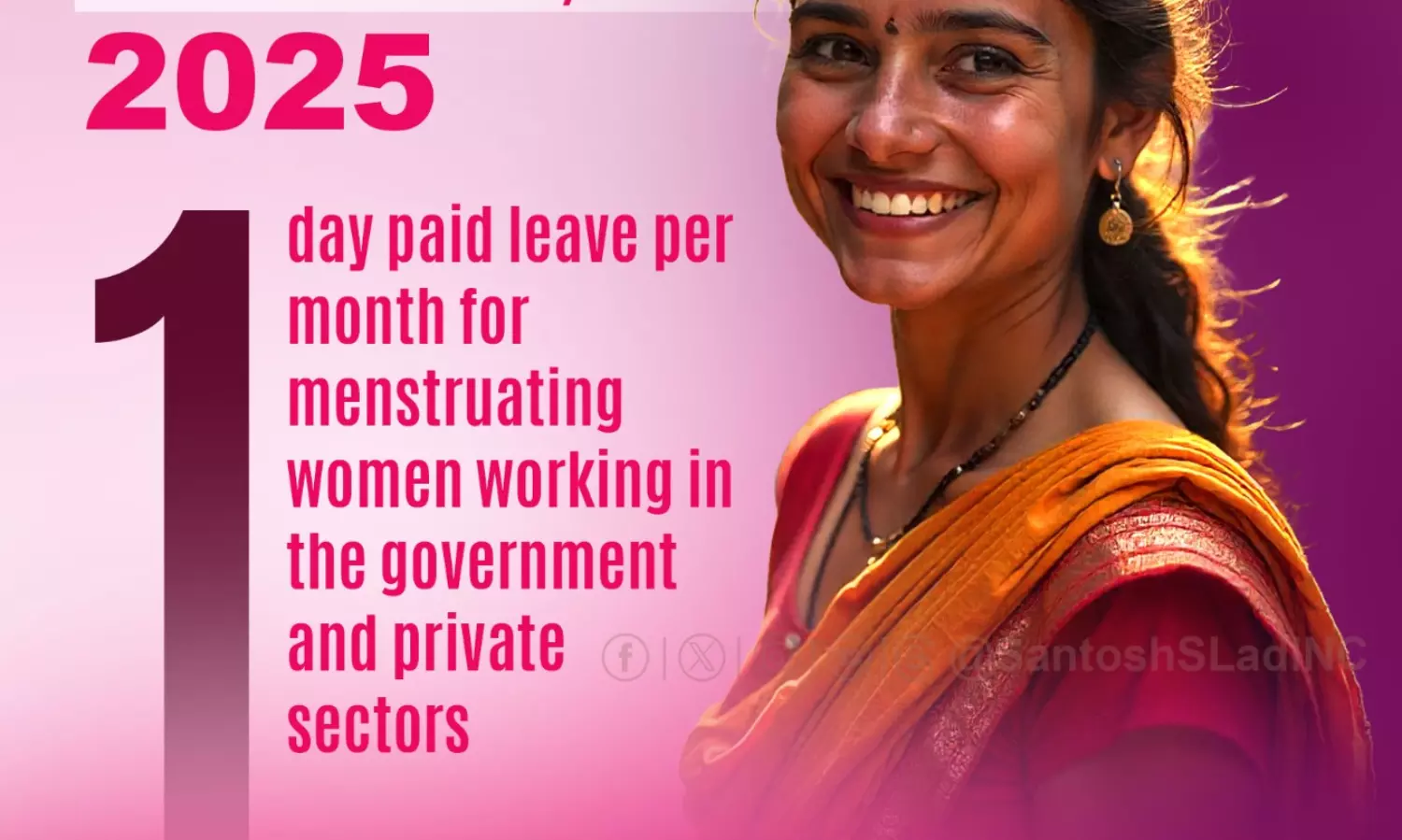
Under this policy, women employees across government and private sectors will be entitled to one day of paid menstrual leave every month. This development marks a significant step toward recognizing menstrual health as a crucial component of employee well-being.
Policy Announcement
Announcing the Cabinet’s decision, Karnataka Labour Minister Santosh Lad said:
“We have approved menstrual leaves for women. The government is committed to creating a workplace environment that respects the physical and emotional well-being of women employees.”
The policy has been framed to promote gender-sensitive labour practices and to encourage a healthier and more empathetic work culture.
Key Highlights of the Karnataka Menstrual Leave Policy, 2025
- Applicable to all women employees in both government departments and private establishments operating in Karnataka.
- Provides one day of paid leave per month (i.e., up to 12 days annually).
- The menstrual leave is independent of sick leave or casual leave.
- Employers are expected to update their HR policies and leave management systems accordingly.
- Aims to reduce absenteeism, boost comfort, and promote equality at work.
A Step Toward Menstrual Equity
The Karnataka initiative acknowledges a long-overdue conversation around menstrual wellness and gender inclusivity in workplaces.
By legitimizing menstrual leave, the state recognizes that menstruation can cause discomfort affecting productivity — and that acknowledging it is not a privilege but a matter of equality and respect.
This is not the first initiative in India, but it is among the most inclusive.
- Bihar (1992) introduced menstrual leave for its women government employees.
- Kerala (2023) extended the benefit to female students in higher education.
- Several private companies, including Zomato and Swiggy, have voluntarily implemented menstrual leave to support employee well-being.
Karnataka’s move now extends this recognition uniformly across both public and private sectors, setting a model for other states to follow.
The Broader Impact
The Menstrual Leave Policy will:
- Encourage open discussions about menstrual health.
- Improve workplace morale and inclusivity.
- Promote mental and physical well-being among women employees.
- Inspire corporate social responsibility and HR reforms across industries.
More importantly, it shifts the dialogue from viewing menstruation as a “private matter” to understanding it as a public health and equality concern — deserving of legitimate policy support.
Balancing Sensitivity and Implementation
While the policy is widely celebrated, its success will depend on effective implementation and awareness-building.
Workplaces must ensure that menstrual leave is not stigmatized or perceived as a sign of weakness. Instead, it should be integrated as a natural, supportive measure in modern HR practices.
To achieve this, the government is expected to issue implementation guidelines and encourage organizations to conduct gender-sensitization programs to promote understanding and acceptance.
Conclusion
The Karnataka Menstrual Leave Policy, 2025 is a forward-looking initiative that humanizes the workplace.
It goes beyond token welfare — it acknowledges the biological realities of women, promotes empathy in employment, and ensures gender justice in labour law.
“True equality is not treating everyone the same — it’s recognizing and respecting the differences that make us human.”
Karnataka’s bold move could soon pave the way for a nationwide menstrual leave framework, transforming India’s labour ecosystem into one that truly values health, dignity, and inclusivity.
A great initiative by Karnataka — all states should adopt similar policies to promote women’s workplace well-being.